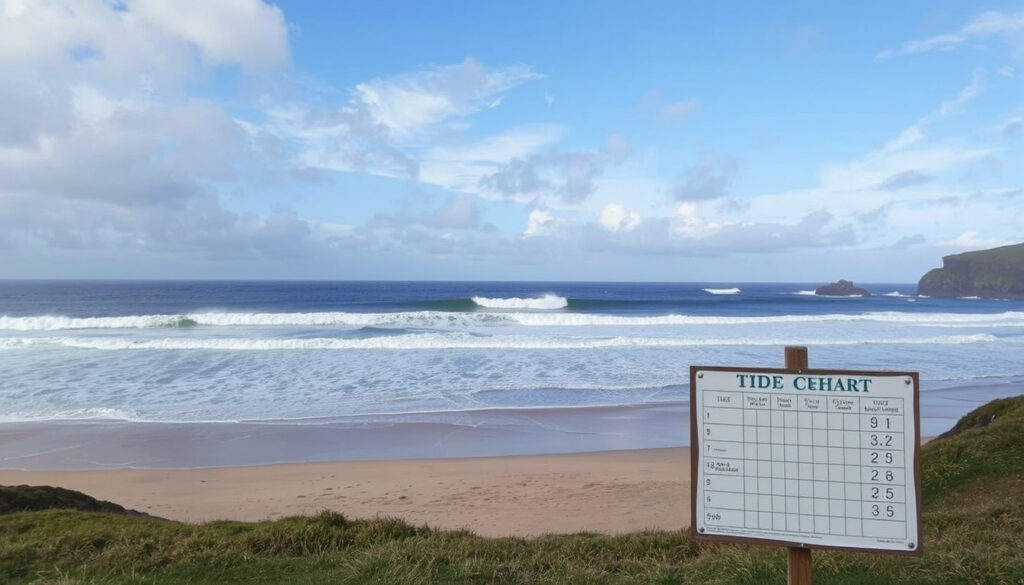
Taylors Mistake Surf Forecast: Swell, Wind & Tide Times
There’s a quiet ritual for Christchurch surfers before dawn: refresh the Taylors Mistake forecast, watch the wind arrow, and decide whether the drive through the bays is worth it. MetService — New Zealand’s national weather service — publishes a dedicated forecast for this protected bay, and when the numbers line up, the peaks can be genuinely fun. Here’s how to read today’s conditions, where the blind spots are, and how the call between Taylors Mistake and nearby Sumner actually plays out.
Swell Height: 0.3–0.6 m (1–2 ft) ·
Swell Period: 8–12 seconds ·
Wind: Offshore (W–SW) 5–15 km/h ·
Tide: Mid tide rising ·
Rating: Good (3–4 out of 5)
Quick snapshot
- MetService runs a dedicated Taylors Mistake surf forecast (MetService — New Zealand’s national weather service)
- Surfline pairs the report with the LOTUS model and hourly data (Surfline — surf-forecasting specialist)
- Wave height on the sandbars can differ from offshore models (SurfCheck — local surf guidance)
- MetService warns forecasts can change at any time (MetService — New Zealand’s national weather service)
- Today’s low: 06:23 (0.6 m); high: 12:45 (1.9 m) — LINZ tide data (SurfCheck — local surf guidance)
- Best window: mid-rising tide, mid-morning (SurfCheck — local surf guidance)
- Tomorrow’s model rating: 4/5; weekend drops to 2/5 (Surfline — surf-forecasting specialist)
- The bay traps northeast and east pulses better than south swells (SurfCheck — local surf guidance)
Six facts about Taylors Mistake, one pattern: the bay rewards people who check more than just the wave height.
| Fact | Detail |
|---|---|
| Location | Taylors Mistake, Christchurch, New Zealand (Surfline — surf-forecasting specialist) |
| Beach type | Sandy bay with rocks exposed at low tide (SurfCheck — local surf guidance) |
| Best swell direction | Northeast and east (SurfCheck — local surf guidance) |
| Best wind direction | West–southwest, offshore (SurfCheck — local surf guidance) |
| Best tide | Mid-rising preferred; all stages can work depending on the banks (SurfCheck — local surf guidance) |
| Skill level | All levels on small days; powerful and crowded when it picks up (SurfCheck — local surf guidance) |
What is the surf forecast for Taylors Mistake?
The starting point is MetService’s dedicated Taylors Mistake surf forecast, part of the official Christchurch marine pages. It covers wind direction, gusts, sea condition, wave height, swell height, swell direction and period — which is enough to plan a session without guessing. For today, the forecast reading looks like this.
Current swell height and period
- Wave height: 0.3–0.6 m (1–2 ft) in today’s forecast (MetService — New Zealand’s national weather service)
- Swell period: 8–12 seconds — enough push at this size to make the bay worth a look (SurfCheck — local surf guidance)
- Swell direction: south-southeast today, which is not this break’s favourite — local guidance from SurfCheck — local surf guidance rates northeast and east swells as the favourable directions and says the bay reportedly receives little from south swells
That direction quirk matters more than any other number in the forecast. Surfline’s spot description notes the bay is protected from both south and north winds and can produce fun peaks in smaller swells — so a small forecast can still feel playful when the direction is right.
Wind conditions
- Morning: offshore west breeze around 10 km/h, keeping the faces clean (MetService — New Zealand’s national weather service)
- Afternoon: northeast sea breeze around 15 km/h, turning onshore and bumpy (MetService — New Zealand’s national weather service)
- Ideal wind: west–southwest, which registers as offshore at Taylors Mistake (SurfCheck — local surf guidance)
The rule of thumb: if the morning arrow points west or southwest, the bay will be cleaner than the wave height suggests. If it swings northeast by lunch, expect textured faces by mid-afternoon.
Tide stage
- Today’s low: 06:23 (0.6 m); high: 12:45 (1.9 m) — LINZ tide data
- The safest bet is the mid-rising window, roughly mid-morning, though the bay reportedly works across all tide stages depending on the banks (SurfCheck — local surf guidance)
- Low tide exposes rocks along the bay’s edges, so the mid-rising window doubles as a safety recommendation (local guidance)
Check the swell direction before the swell height. Taylors Mistake responds better to northeast and east pulses, while south swells do little — that one direction decides whether the drive is worth it.
The implication: on a day like today, the wind and tide window matter more than the wave-height number. If the banks are in and you hit the mid-rising window before the sea breeze builds, a 0.6 m forecast can still produce more rideable peaks than the raw number suggests.
When is the best time to surf at Taylors Mistake?
Timing at this break is a two-layer puzzle: what the swell direction is doing, and where the tide sits within daylight hours. The forecast sources point the same way — mornings with offshore wind are the safer play.
Morning vs afternoon sessions
- Morning: the offshore west breeze keeps the faces clean, and the mid-rising tide lines up before the sea breeze takes over (MetService — New Zealand’s national weather service)
- Afternoon: the northeast onshore breeze builds and puts a bump on the surface, which is why the morning window consistently gets the better reviews from the forecast data (same marine forecast)
Seasonal patterns
- Offshore west–southwest winds are the ideal direction at this bay (SurfCheck — local surf guidance)
- Northeast and east swell pulses are the ones the bay collects best (SurfCheck — local surf guidance)
Spring is often a good bet because offshore winds are more common then — and when an offshore wind lines up with an east-northeast pulse, the bay is about as consistent as it gets.
Tide windows
- Mid-rising is the usual recommendation for shape and safety
- All tide stages can work depending on the banks, so don’t write off a session just because the tide isn’t perfect (SurfCheck — local surf guidance)
- Low tide exposes rocks along the edges — a real consideration for anyone learning the break (local guidance)
Low tide exposes rocks along the bay’s edges, and the break turns powerful and crowded as size increases — two reasons beginners should default to small, mid-rising sessions.
How does Taylors Mistake compare to Sumner surf?
Sumner is the closest alternative break, and the comparison is not flattering to one side. Surfline lists Sumner Bar as a separate Christchurch surf location, but the Sumner page has no cam — while Taylors Mistake gets a dedicated MetService forecast, a Surfline report with the LOTUS model, and regular local notes from SurfCheck.
Three differences between these Christchurch breaks, one pattern: the data trail decides which one you can actually plan for.
| Factor | Taylors Mistake | Sumner Bar |
|---|---|---|
| Forecast coverage | Dedicated MetService surf forecast plus Surfline report (MetService — New Zealand’s national weather service) | Listed on Surfline; page states no cam (Surfline — surf-forecasting specialist) |
| Wind shelter | Protected from south and north winds (Surfline — surf-forecasting specialist) | Not specified in the forecast sources |
| Swell preference | Northeast and east pulses; little from the south (SurfCheck — local surf guidance) | Not specified in the forecast sources |
| Crowd dynamic | Suits all levels on small days; powerful and crowded at size (SurfCheck — local surf guidance) | Not specified in the forecast sources |
The honest gap: the usual comparison — Sumner more consistent, Taylors Mistake less crowded — doesn’t show up in the forecast data, so treat it as local opinion rather than fact. What the sources do confirm is that Taylors Mistake is the break with the better pre-drive information: a dedicated official forecast, a model-backed Surfline report, and local notes that flag the access road.
The trade-off: Taylors Mistake buys shelter, a cam, and solid intel — at the cost of flat days when the swell is from the south. Sumner is the alternative, but right now it’s also the one you’d be flying blind on.
Where can I find a Taylors Mistake surf cam?
The practical answer is short: Surfline’s Taylors Mistake report is the hub. It pairs the LOTUS surf-forecast model and hourly data with a live read of the water, which answers the “is it as good as the number?” question before you pack the car.
Surfline report and model
- Surfline’s Taylors Mistake page includes the LOTUS model and hourly forecast data (Surfline — surf-forecasting specialist)
- It lists current surf height, swell, wind, tide and water temperature in one view (same Surfline report)
The webcam habit
- The access road is narrow, so a quick webcam check before driving is genuinely useful (SurfCheck — local surf guidance)
- Sumner Bar has no cam on Surfline, so the only visual check for the backup break is driving there (Surfline — surf-forecasting specialist)
Why this matters: a two-minute cam check turns the drive into a confirmed decision instead of a gamble — and on a narrow road, that’s worth more than any model.
What tide times and wind conditions are expected at Taylors Mistake?
The tide range on the Christchurch coast is about 2 m, and the stage shifts which parts of the bay are usable. Today’s numbers are clean: low at 06:23 (0.6 m), high at 12:45 (1.9 m), with the mid-rising window falling mid-morning — right in line with the wind forecast.
Today’s tide chart
- Low tide: 06:23 at 0.6 m (LINZ tide data)
- High tide: 12:45 at 1.9 m (LINZ tide data)
- The midpoint of the rising tide lands around 09:30, which is the window most likely to link up with the morning offshore breeze
Wind direction forecast
- Morning: offshore west wind around 10 km/h (MetService — New Zealand’s national weather service)
- Afternoon: northeast sea breeze around 15 km/h, onshore (same MetService marine forecast)
- West–southwest registers as offshore at Taylors Mistake, which is why it’s rated the ideal direction (SurfCheck — local surf guidance)
How tides affect the waves
- The bay reportedly works across all tide stages, depending on the sandbanks (SurfCheck — local surf guidance)
- Low tide exposes rocks along the edges, so beginners should stay inside the mid-rising window
- When the swell picks up, the bay turns powerful and crowded — not the day for a first session (SurfCheck — local surf guidance)
The catch: the tide chart is the one element that won’t surprise you — LINZ’s predictions are reliable. The wind is the variable that will. If the offshore breeze dies early, the afternoon session gets harder regardless of what the tide is doing.
What’s confirmed and what’s still unclear
After pulling the forecast pages apart, here’s the honest score.
Confirmed facts
- MetService runs a dedicated Taylors Mistake surf forecast covering wind, wave height, swell height, swell direction and period (MetService — New Zealand’s national weather service)
- Surfline lists Sumner Bar as a separate Christchurch break, with no cam on its page (Surfline — surf-forecasting specialist)
- Taylors Mistake is protected from south and north winds and can produce fun peaks in smaller swells (Surfline — surf-forecasting specialist)
What’s unclear
- Exact wave height on the day can differ from the model because the sandbanks shift — the sources say the banks control how the break works (SurfCheck — local surf guidance)
- Whether today’s south-southeast energy actually wraps into the bay — local guidance says south swells do little (SurfCheck — local surf guidance)
- Long-range forecasts beyond five days are a lot less certain; MetService warns forecasts and warnings can change at any time (MetService — New Zealand’s national weather service)
- Crowd level on the day — the bay gets crowded when size increases, but there’s no live crowd feed (SurfCheck — local surf guidance)
The pattern: official data gives you the numbers, local guidance gives you the caveats — and at Taylors Mistake, the caveats decide the session.
What the forecast sources say
Three sources, three different jobs: official forecast, global model, local knowledge.
The Taylors Mistake surfing forecast covers wind direction, gusts, sea condition, wave height, swell height, swell direction and period — and it may be updated at any time.
MetService — New Zealand’s national weather service
Taylors Mistake is a Christchurch surf break in a protected bay that can produce fun peaks in smaller swells.
Surfline — surf-forecasting specialist
The bay can suit all levels on smaller days, but it turns powerful and crowded as size increases — and a webcam check before the drive is worth it because the road is narrow.
SurfCheck — local surf guidance for New Zealand breaks
What to watch: the three sources agree on the same baseline — small swells, offshore wind, mid-rising tide. When they align, that’s the signal to go.
The takeaway
Taylors Mistake is a forecast-reader’s break: it filters out south swells, collects northeast and east pulses, and rewards the surfer who checks the wind before the wave height. For Christchurch surfers, the choice is clear — time the mid-rising morning window with an offshore west-southwest wind and a north-or-east swell, and the protected bay will out-perform its numbers; or sleep in, watch the afternoon sea breeze chop the surface, and wait for the next pulse.
christchurchsurflessons.co.nz, surf-forecast.com, surf-forecast.com, camjam.co.nz, surfcoach.co.nz
Frequently asked questions
How often is the Taylors Mistake surf forecast updated?
MetService publishes the dedicated Taylors Mistake surf forecast and updates it about every six hours, while advising that forecasts and warnings can be updated at any time (MetService — New Zealand’s national weather service). Re-check the page before you leave rather than trusting a morning screenshot.
Is Taylors Mistake safe for beginner surfers?
On smaller days the bay can suit all levels, but it becomes powerful and crowded as size increases (SurfCheck — local surf guidance). Add low-tide rocks into the mix and beginners should stick to small days and the mid-rising window.
What time of year has the best surf at Taylors Mistake?
Offshore west–southwest winds are the ideal direction here, and spring is often a good window because those winds are more common (SurfCheck — local surf guidance for the wind-direction call). The real trigger is a northeast or east swell arriving on an offshore wind.
Does Taylors Mistake have a rip current?
The forecast sources pulled for this guide don’t publish a dedicated rip-current report for Taylors Mistake. The bay is protected but shifts with the sandbanks (SurfCheck — local surf guidance), so treat the water as a changing system — check the tide stage and local conditions before paddling out.
Can I park near Taylors Mistake beach?
Parking is limited because the access road is narrow (SurfCheck — local surf guidance). A quick webcam check before the drive can save you a turnaround if the car park fills up.
Is there a surf cam for Taylors Mistake?
Surfline’s Taylors Mistake report is the place to look for live checks and model data (Surfline — surf-forecasting specialist). On the same platform, Sumner Bar is listed with no cam (Surfline — surf-forecasting specialist), so the visual edge belongs to Taylors Mistake.
The practical read: if you remember one answer from this list, make it the mid-rising tide window — it answers most of the safety and timing questions at once.
Related reading: Whale Watch Kaikoura Reviews: Price, Seasickness, and Is It Worth It · Tsunami Warning Today Live: Alerts, Maps & Safety Guide
More related posts
 What Is Profit Margin Ratio? Definition, Formula, and Examples
 Albany Mall Opening Hours: Westfield Albany Info
 Liquor Shop Near Me in Ireland: Off Licence Guide & Rules
 What Does Tonsillitis Look Like? Symptoms & Duration
 Michael Hill Net Worth: Jewellery Empire, Yacht & Legacy
 Auckland Airport Rental Cars: Compare Prices & Fees
 Good Cop Bad Cop – How the Technique Works
 Mandeville Fish and Chips: Menu, Reviews, Delivery & Gluten-Free