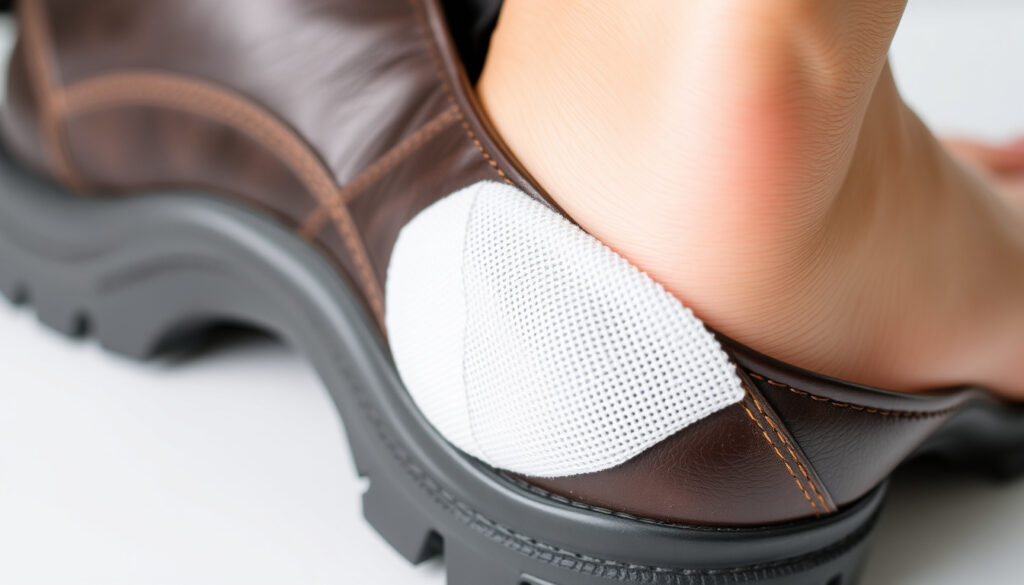
Stop Shoes from Blistering: Top Expert Tips
Anyone who has ever pulled on a pair of new shoes and felt that familiar pinch on the heel knows the dread of an impending blister, but blisters are not inevitable—they are a mechanical problem with straightforward solutions. This guide pulls together advice from podiatrists and foot-care specialists to help you stop shoes from blistering, whether you are breaking in new footwear or dealing with persistent rubbing on an old pair.
Common blister locations on foot: Heel, toe, ball of foot, and sides ·
Percentage of people who experience foot blisters in their lifetime: Approximately 50% ·
Key contributing factors: Friction, moisture, and ill-fitting shoes
Quick snapshot
- Blisters result from friction and moisture (BE Podiatry (podiatry clinic))
- Properly fitted shoes reduce blister risk (Torquay SMC (podiatrist advice))
- Covering blisters protects them from infection (Foot & Ankle (foot care specialist))
- Whether petroleum jelly is as effective as silicone-based blister patches (Blister Prevention (prevention specialist))
- Optimal number of wears to break in different shoe materials (BE Podiatry (podiatry clinic))
- Break-in period: 1–3 weeks with short wears (Cleveland Clinic (health system))
- Try heel grips, moisture-wicking socks, and lubricants before resorting to shoe modifications (Foot & Ankle (foot care specialist))
Four key facts that sum up the blister prevention picture:
| Fact | Detail |
|---|---|
| Primary cause | Friction combined with moisture |
| Most affected area | Heel (Achilles tendon area) |
| Standard treatment | Cover with sterile dressing, avoid popping |
| Break-in duration | 1–3 weeks with short wears |
How do I stop my shoes from giving me blisters?
Choose shoes that fit properly
- Measure both length and width before buying, as shoe brands can change shape and materials every six months (Torquay SMC (podiatrist advice)).
- Poorly fitting footwear is a common cause of foot blisters (BE Podiatry (podiatry clinic)).
Use moisture-wicking socks
- Cotton absorbs and holds moisture next to the skin, increasing friction and blister formation. Moisture-wicking socks keep skin drier (Foot & Ankle (foot care specialist)).
- They work best for blisters over the whole foot, but not for interdigital blisters where the sock does not contact the skin (Blister Prevention (prevention specialist)).
Break in new shoes gradually
- Wear a pair of thick socks before putting on new shoes to stretch the material gently (Cleveland Clinic (health system)).
- Use a hairdryer for 20–30 seconds over tight areas to soften the material (Torquay SMC (podiatrist advice)).
- Apply petroleum jelly to reduce friction on high-risk spots (BE Podiatry (podiatry clinic)).
Petroleum jelly works as a short-term lubricant, but it wears off quickly. For longer walks, silicone-based blister patches or ENGO patches may hold up better—though they cost more.
The implication: Choosing the right combination of fit, socks, and break‑in tactics can eliminate most blister problems before they start.
Is it normal for new shoes to cause blisters?
Why friction creates blisters
- New shoes often have stiff materials that rub against skin. Repeated friction separates the skin layers, and fluid fills the gap (BE Podiatry (podiatry clinic)).
- Moisture from sweat softens the skin, making it more prone to damage (Foot & Ankle (foot care specialist)).
How long it takes to break in shoes
- Breaking in typically takes 1–3 weeks of short wears (Cleveland Clinic (health system)).
- Leather shoes may take longer than synthetic materials.
The pattern: The first few wears are riskiest, so gradual exposure reduces the chance of damage.
Does Vaseline prevent foot blisters?
How petroleum jelly reduces friction
- Petroleum jelly acts as a lubricant, reducing friction between skin and shoe (BE Podiatry (podiatry clinic)).
- It is a low-cost, accessible option.
Limitations of Vaseline for blister prevention
- Not a long-term solution; reapplication needed every few hours (Blister Prevention (prevention specialist)).
- Alternative products like blister patches or silicone-based gels may work better for continuous wear.
Vaseline is cheap and easy, but it can stain shoes and attract dirt. For long hikes or all-day wear, a dedicated blister patch is more reliable.
What this means: While Vaseline offers a quick fix, its short duration limits its usefulness for sustained activity.
Should I cover a blister or let it breathe?
When to cover a blister
- Covering with a sterile bandage or blister patch protects from further friction and infection (Foot & Ankle (foot care specialist)).
- Do not pop the blister unless it is very painful or in a high-friction area (Cleveland Clinic (health system)).
When to leave it uncovered
- If the blister is small, not rubbing, and you can keep it dry, letting it air can speed healing (BE Podiatry (podiatry clinic)).
- The NHS advises against popping—keep the blister roof intact as a natural barrier.
The catch: An uncovered blister heals faster but only if it stays dry and undisturbed.
How to stop shoes from blistering on heels?
Use heel grips or pads
- ENGO Blister Patches are highly effective for heel blisters (Blister Prevention (prevention specialist)).
- Wearing two pairs of socks (thin inner, thick outer) helps reduce friction (Foot & Ankle (foot care specialist)).
Apply rigid tape to the heel area
- Taping the heel spreads shear load and prevents direct rubbing (Blister Prevention (prevention specialist)).
- Using a hairdryer on the heel counter can soften the material for a custom fit (Torquay SMC (podiatrist advice)).
The pattern: Layering protection at the heel reduces friction exactly where it strikes hardest.
What the experts say
Dr. Joy, a podiatrist at Cleveland Clinic, recommends wearing moisture-wicking socks and applying petroleum jelly to friction points as a first-line defense.
Dr. Joy, Cleveland Clinic
NHS guidelines advise against popping blisters unless they are very painful or at risk of bursting. Keep the area clean and covered.
NHS
For anyone who regularly faces shoe blisters, the choice is clear: invest in moisture-wicking socks, break in shoes gradually, and use targeted lubricants or patches. Foot‑care specialists warn that ignoring the problem means guaranteed pain and possible infection. A few minutes of prevention now saves days of discomfort later.
pro.blister-prevention.com, alibaba.com, shunvogue.com, decentfoot.com, blisterhelp.co.uk, alibaba.com
Those looking to avoid painful blisters can find detailed prevention strategies in preventing shoe blisters.
Frequently asked questions
How long does it take to break in new shoes?
Typically 1–3 weeks with short, gradual wears. Leather shoes may take longer.
Can I use band-aids to prevent blisters?
Yes, but they may peel off quickly. Blister-specific patches or moleskin are more durable.
What type of socks are best for blister prevention?
Moisture-wicking socks made of merino wool or synthetic blends. Avoid cotton.
Are blister patches reusable?
No, they are single-use. Replace after each wear or when they lose adhesion.
Is it safe to pop a blister at home?
Only if it is very painful or at risk of bursting. Use a sterile needle and keep the roof intact.
Do expensive shoes cause fewer blisters?
Not necessarily. Fit matters more than price. Even high-end shoes need proper break-in.
More related posts
 Get a Free Business Insurance Online Quote in Ireland
 Bed Bath and Beyond Sheets: Brands, Quality & Afterlife
 OKC Thunder vs Denver Nuggets Timeline: Head-to-Head Results
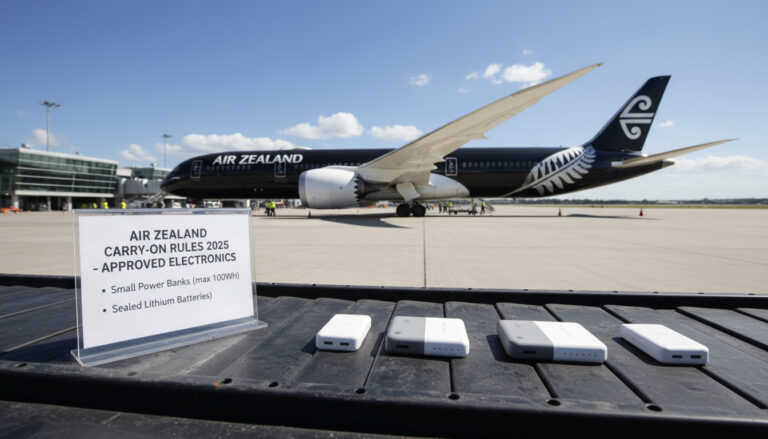 Air New Zealand Power Bank Rules – What You Can Bring in 2025
 PSG vs Real Madrid Stats: H2H, Wins, Goals & History
 Spring Hill Corrections Facility: Security, Visits, Costs
 The Fish Bowl Rangiora: Menu, Reviews & Local Guide