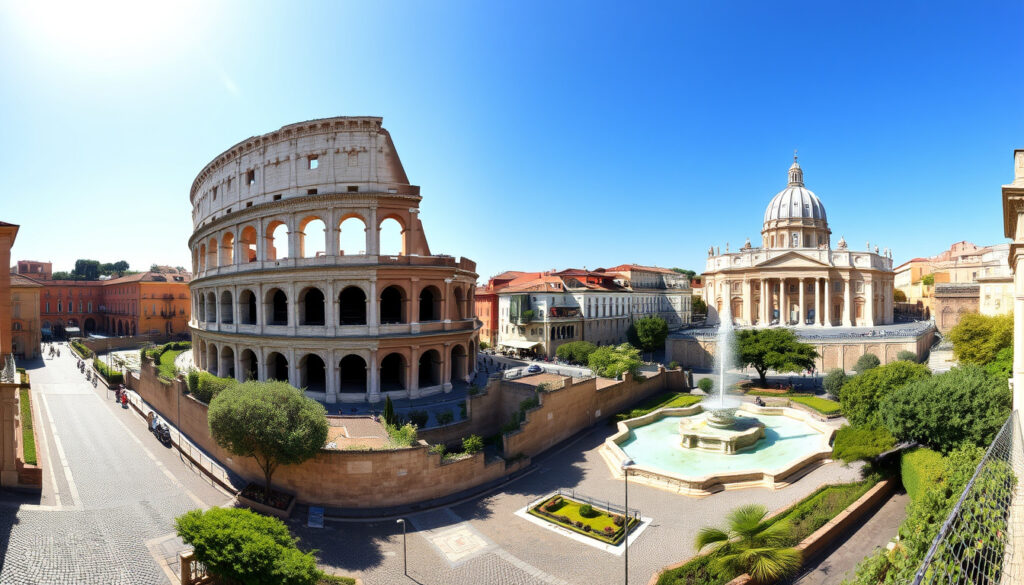
Things to Do in Rome: 25 Must-See Attractions & Insider Tips
Most visitors to Rome are terrified of getting stuck in a queue, but the real threat is bad timing. The solution is a very specific strategy: go at sunrise, book skip-the-line tickets a week ahead, and carry a scarf for every church.
Key facts at a glance
- 753 BC (traditional date)
- Italy
- 2.8 million
- 2 (Historic Centre, Vatican City)
Rome packs over 2,800 years of history, 7.6 million annual Colosseum visitors (pre-pandemic), 2 UNESCO World Heritage sites, and a golden hour window of roughly 30–40 minutes after sunrise and before sunset. The cheapest month to fly from the US is November, averaging $600 round-trip, while August hotel rates hover around €200 per night.
What cannot you miss in Rome?
Ancient history meets Instagram aesthetics—Rome is a rare city where every cobblestone has a story, and every story has a photo opportunity. But the real trick is avoiding the tourist traps that turn a dream trip into a queue marathon. Below, we break down the must-see list, the timing that actually matters, and the cultural rules that separate a respectful visitor from a frustrated traveler.
Machu Picchu Travel Guide calls the Colosseum the most iconic landmark, and that’s not an exaggeration—over 7.6 million people visited annually pre-pandemic, Statista reports. But iconic doesn’t mean you should show up at noon. That same guide recommends arriving at major attractions at opening time for thinner crowds and cooler temperatures, a strategy echoed by All Tours Rome, which notes that in April, golden hour can fall around 19:00 to 20:00—the perfect window for post-queue photos.
The Colosseum and Roman Forum
The Colosseum requires advance booking; tickets often sell out weeks ahead. Arrive at 8:30 AM to beat the tour groups and book skip-the-line tickets. Combine your visit with the Roman Forum and Palatine Hill for a chronological walk through the Empire’s rise.
Vatican City Highlights: St. Peter’s Basilica and the Sistine Chapel
The Vatican Museums house over 20,000 works; the Sistine Chapel ceiling is the highlight. Book the earliest entry (8:00 AM) to see the Last Judgment without a shoulder-to-shoulder crowd. St. Peter’s Basilica is free to enter, but the dress code is enforced—shoulders and knees must be covered for both men and women, per the Official Vatican website.
Trevi Fountain and Spanish Steps
The Trevi Fountain is free but extremely crowded; best visited at sunrise or after 10:00 PM for a photo without 500 strangers. Throw a coin over your left shoulder to ensure your return. The Spanish Steps are best at sunrise when the light hits the stairway and the crowd is just vendors.
Off-the-beaten-path gems: Trastevere and the Aventine Keyhole
Trastevere is not an ancient ruin but the medieval neighborhood with the city’s most authentic evening vibe. The Aventine Keyhole (Cavaliers of the Order of Malta) frames St. Peter’s dome perfectly through a tiny brass peephole—free, mysterious, and almost always overlooked, as highlighted by Atlas Obscura.
How many days are enough for Rome?
Most experts agree on a three-to-four-day sweet spot for a first timer, which gives you time for the big three (Colosseum, Vatican, Pantheon) plus a neighborhood like Trastevere. The Romewise planning guide suggests three days as a minimum, but notes that adding a fourth day lets you slow down—which is the only way to experience Rome’s café culture without rushing.
One-day itinerary: must-see highlights
The Visit Rome one-day plan starts at 7:30 AM at the Colosseum, grabs a quick espresso at the bar nearby, and hits the Pantheon by 10:00 AM. Lunch in Campo de’ Fiori, then the Trevi Fountain at 2:00 PM, Spanish Steps by 3:30 PM, and a final walk through Trastevere for dinner.
Three-day itinerary: classics plus a few hidden gems
According to All Tours Rome, a common mistake is cramming the Vatican and Colosseum into the same morning; both require at least three hours each. Spread them across separate days. The Visit Rome itinerary recommends a structure like this:
- Day 1: Ancient Rome—Colosseum, Forum, Palatine Hill.
- Day 2: Vatican—Museums, Sistine Chapel, St. Peter’s.
- Day 3: Baroque Rome—Pantheon, Piazza Navona, Trevi Fountain, Spanish Steps.
- Day 4 (optional): Trastevere, Borghese Gallery, or a day trip to Tivoli.
Five-day itinerary: deep dive including day trips
If you’re staying longer, the pace changes. Romewise’s five-day guide notes that after day four, you can start relaxing into Rome’s rhythms—lingering over lunch, revisiting a piazza at night, and avoiding the checklist mentality. Day trips to Ostia Antica (ancient Roman port) or Tivoli’s Villa d’Este are both under an hour by train.
Do and don’ts in Rome?
Rome is a city of faith as much as history, and that means every church—from St. Peter’s to the Pantheon—enforces a dress code with zero tolerance for impropriety. According to the Official Vatican website, shoulders and knees must be covered for both men and women when entering St. Peter’s Basilica.
Dining etiquette: when and what to eat
Breakfast in Rome is typically light (cappuccino and pastry) between 7:00 and 9:00 AM. Romans don’t typically rush through dinner. A restaurant table is yours for the evening unless it’s a fast-food spot. Plan for a two-hour meal, and don’t ask for the check until you’re ready to leave. The Visit Rome travel guide notes that basic greetings such as buongiorno and buonasera are appreciated by shopkeepers and waitstaff.
Dress code for churches and holy sites
The rule is simpler than you think: bring a scarf or light shawl for men and women alike. In summer, that doubles as sun protection; in winter, it’s warmth. Romeing’s etiquette guide notes that many travelers get turned away at the Vatican because they’re in shorts or tank tops during August’s heat.
Tipping customs and service charges
Tipping is not obligatory, but rounding up the bill or leaving 5–10% for excellent service is customary. If you’re on a guided tour, a €5–€10 gratuity per person for the guide is appreciated. Italy Seghetti explains that tipping in Rome is not obligatory, though rounding up the bill or leaving 5–10% becomes customary when service is exceptional.
When to avoid Rome in 2026?
If your budget is the deciding factor, November is your clear winner. Flight data from Cheapflights shows that November has the lowest average fare from the US, typically around $600 round-trip. The downside? Cooler weather (average high of 62°F) and shorter days, but you’ll trade that for substantially thinner crowds and better hotel rates.
Peak season: July and August
August is the hottest (average high 31°C) and most crowded month; many locals close shops for holidays. According to All Tours Rome, the most expensive months are September and October, when the weather is ideal and the cruise ships dock, pushing hotel prices to their peak—averaging around €200 per night in August, as HotelsCombined data suggests.
Off-peak months for budget travel
According to All Tours Rome, the cheapest months are typically November through February, excluding Christmas and New Year’s. If you want a compromise between price and weather, consider late March or early April (shoulder season). The Rome.net climate guide notes that temperatures are mild (60–70°F), but Easter week brings a spike in visitors and prices.
Golden hour photography times
According to All Tours Rome, golden hour in April falls around 19:00 to 20:00, giving you a warm, low light that turns the Colosseum’s arches into shadows. In November, that window shifts to about 16:30 to 17:30—earlier, but just as stunning. The Capture the Atlas photography guide suggests sunrise (6:30–7:30 AM) and late afternoon (4:00–5:00 PM) as peak times.
What to do for an afternoon in Rome?
Rome with kids isn’t just possible—it’s a different flavor of wonderful. When it comes to shopping, Rome is less about luxury malls and more about artisan crafts. Nightlife splits into two worlds: Trastevere and Testaccio are the local hotspots.
Shopping districts: Via Condotti and Via del Corso
Italy Seghetti’s shopping guide points out Via del Governo Vecchio for vintage leather and handmade jewelry, and the Monti district for independent boutiques. Via Condotti is known for luxury brands; Via del Corso for high-street shopping. For souvenirs, skip the tourist aisle near the Colosseum—head to the Mercato Monti (weekends only) where designers sell original pieces at fair prices.
Family-friendly activities: Villa Borghese and Explora Museum
Rome The Guide’s family plan recommends the Time Elevator Roma, a 45-minute motion simulator that explains Roman history in English. Villa Borghese park offers a zoo, boat rentals, and the Borghese Gallery. Let kids run free at the Borghese Gardens, where a small train loops the park at €5 per child.
Unusual night experiences: ghost tours and after-hours Colosseum
Rome.net’s nightlife guide explains that Trastevere and Testaccio are the local hotspots, with bars that spill onto cobblestones until 2 AM on weekends. For a lower-key evening, Romeing’s bar guide suggests a cocktail at the rooftop bar of the Palazzo delle Esposizioni. Night tours of the Colosseum provide a quieter, atmospheric experience.
What are the best hidden gems and off-the-beaten-path spots?
The Colosseum and Vatican are the headliners, but the Rome that locals love lives ten minutes from the tourist trail. According to the Romeing hidden-gems guide, Sant’Ignazio Church looks like a typical Baroque chapel from the street—but a mirror on the floor reflects a fake dome painted on the ceiling, an optical illusion that fools almost everyone.
Further out, the Appian Way (Via Appia Antica) offers a free walk past Roman aqueducts and tombs, far from the bus stops. Parco Regionale dell’Appia Antica is open year-round and pairs perfectly with a bike rental. The Machu Picchu Travel Guide calls it a must for travelers who want to see Rome outside postcards.
For an evening food experience, head to Testaccio — a working-class neighborhood that transforms into an open-air food market by night. Romanice Tourism’s guide recommends visiting the Mercato Testaccio on weekdays after 7:00 PM.
And for a quieter perspective, the Aventine Hill’s Keyhole (Cavaliers of the Order of Malta) frames St. Peter’s dome perfectly through a tiny brass peephole — free, mysterious, and almost always overlooked. Atlas Obscura highlights it as one of Rome’s strangest pleasures. These spots don’t require tickets or queues.
What is the verdict on Rome’s stage, and what should you watch for next?
Rome isn’t a city you “beat” with a perfect itinerary—it’s a city you negotiate with. The trade-off between seeing the Colosseum’s grandeur and avoiding its queues is real, but it’s solvable with timing alone. The same goes for the Vatican’s dress code and the churches’ silence rules. Respect them, and Rome opens up like a well-read book. Ignore them, and you’ll spend your holiday standing outside St. Peter’s holding a scarf you forgot to bring.
The forward stake: Rome’s tourism is rebounding in 2026, with new hotel openings near Termini Station and a renewed focus on sustainable travel through bike lanes along the Appian Way. That means the city is gradually becoming easier to navigate for the independent traveler—if you’re willing to abandon the busiest hours and the most crowded corners. The next traveler who masters the early-morning start and the November flight will experience a Rome that’s on the verge of a new golden age, without the golden-hour queues.
So pack light, carry that scarf, and let the city do what it’s done for two millennia: turn skeptics into believers.
Related reading: **Fiji Things to Do: Must-See, Cost, Safety & Best Time** · **Things to Do in Timaru: Best Attractions & Activities**
rome-spirit.com, roamrome.net, machupicchu.org, visitrome.com, italyplanner.com, italytourism.org, getromantours.com, attractionscout.com, vatican.museum, visitrome.com
Frequently asked questions
Is the Colosseum worth visiting, or is it overrated?
The Colosseum is the single most visited monument in Italy, and for good reason—no other structure in the world lets you stand inside a 2,000-year-old engineering marvel. It’s worth the visit, but only if you book an early entry or a guided tour. Midday crowds make it a sweaty shuffle rather than a transcendent experience.
Can you see Rome in two days?
You can see the highlights in 48 hours, but only with a strict plan and pre-booked tickets. A two-day trip should focus on Ancient Rome and the Vatican, leaving Trastevere and the Baroque piazzas for evening strolls. If you have a third day, use it for a slower neighborhood experience.
Do you have to dress modestly to enter the Pantheon?
Yes—the Pantheon is a functioning Catholic church, and the same shoulder-and-knee rule applies. Bring a scarf, and you’re fine. If you forget, there are cheap scarves sold by street vendors near the entrance, but they’ll cost you double what you’d pay further away.
What is the cheapest month to fly from the US to Rome?
November is consistently the cheapest month for US departures, with average round-trip fares around $600. January and February are similar, but November’s milder weather (highs in the 60s) makes it the better budget pick for most travelers.
Is it safe to walk in Rome at night?
Rome is a safe city for tourists, even after dark, but you should exercise the same awareness you would in any large city. Stick to well-lit streets, avoid the Termini station area at night, and keep valuables protected in crowded piazzas. The Trastevere and Testaccio neighborhoods are particularly lively and safe.
Should I tip in Rome restaurants?
Tipping is not obligatory, but rounding up the bill or leaving 5–10% for excellent service is customary. If you’re on a guided tour, a €5–€10 gratuity per person for the guide is appreciated. When in doubt, leave a few coins on the table—it’s never rude.
What is the golden hour time in Rome in April?
In April, golden hour typically falls between 19:00 and 20:00. The sun sets earlier and the light warms the stone facades beautifully. Check a local sunset calculator for your exact dates, but plan your photo walks around that window.
Are there any free things to do in Rome worth a detour?
Absolutely—the Pantheon, the Aventine Keyhole, and the Appian Way are free. The Trevi Fountain and Spanish Steps are also free, but they’re so crowded you’ll want to visit at sunrise or late evening to enjoy them without a scrum.
Source: Official Vatican website (dress code authority) · Machu Picchu Travel Guide (independent travel guide) · All Tours Rome (local tour operator) · Romewise (Rome trip planner) · Italy Seghetti (Italian travel guide) · Romeing (Rome lifestyle magazine)
More related posts
 What I Cream of Tartar? U e , Sub titute & Fact
 Free APA 7 Reference Generator: How to Use & Top Tools
 When Do Girls Stop Growing? Age, Signs and Full Timeline
 How to Lower Cholesterol in New Zealand
 San Miguel de Allende Guide: Safety, Best Time & Travel Tips
 Air NZ Unaccompanied Minor Service: Rules, Fees & Age
 Battlefield 6 Release Date: October 10, 2025 Launch & 2026 Review