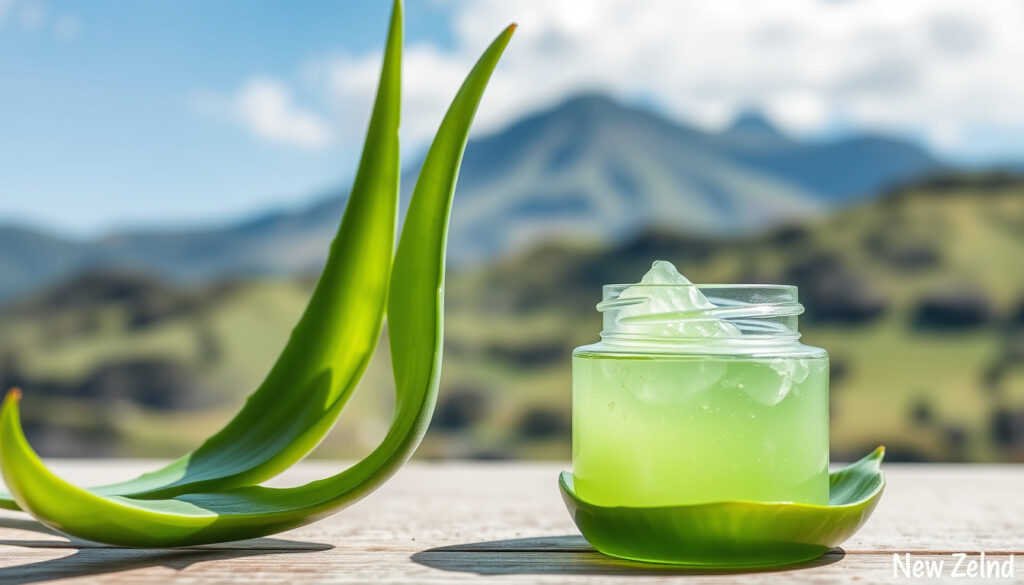
100% Pure Aloe Vera Gel NZ: Best Brands, Uses & Where to Buy
If you’ve ever grabbed an aloe vera gel after a day in the New Zealand sun, you already know its cooling relief. But with so many options on the shelves, finding a genuinely pure product that won’t irritate your skin or dilute the active goodness takes a bit of savvy.
Aloe content in top NZ gels: 99% ·
Common price range in NZ: NZD 10–30 ·
Known active compounds in aloe vera: 75+ ·
Water content in pure aloe vera gel: 99%
Quick snapshot
- Top brands in NZ contain 99% pure aloe vera (Chemist Warehouse NZ)
- Aloe vera soothes sunburn and minor burns effectively (Health House)
- Plunkett’s contains no added water, alcohol, or parabens (Bargain Chemist)
- Wrinkle-reduction benefits are still debated among dermatologists
- Long-term daily effects on all skin types not fully studied
- Efficacy for gum health lacks large-scale clinical trials
- No major timeline events relevant to this guide
- Growing consumer demand for certified organic, single-ingredient gels in NZ
- More specialist retailers stocking 99%+ pure options
Uncertain claims (no strong source)
- Wrinkle-reduction benefits are still debated among dermatologists
- Long-term daily effects on all skin types not fully studied
- Efficacy for gum health lacks large-scale clinical trials
- No major timeline events relevant to this guide
- Growing consumer demand for certified organic, single-ingredient gels in NZ
- More specialist retailers stocking 99%+ pure options
Here is a quick snapshot of key facts about aloe vera gel in NZ.
| Attribute | Value |
|---|---|
| Aloe content in top NZ brands | 99% |
| Price range in NZ | NZD 10–30 |
| Common uses | Skin soothing, hair conditioning, oral health |
| Active compounds | 75+, including vitamins, minerals, enzymes |
| Average shelf life (unopened) | 12–24 months |
| Alcohol-free options available | Yes (e.g., Plunkett’s) |
| Paraben-free options available | Yes (e.g., Plunkett’s, Health House) |
When should you not use aloe vera gel?
Aloe vera is generally safe, but it’s not for everyone. Knowing the contraindications can save you from a nasty reaction.
Who should avoid aloe vera gel?
- People with known allergies to plants in the Liliaceae family (e.g., garlic, onions, tulips) may react to topical aloe. According to Health House, allergic skin reactions are rare but possible.
- Those with sensitive skin or conditions like eczema should patch-test first. Some products contain preservatives that can cause stinging (YourOnlinePharmacy).
- Avoid applying aloe vera to open wounds, deep cuts, or third-degree burns without medical advice.
What are the disadvantages for skin?
- Overuse can dry out skin if the gel contains alcohol. However, reputable NZ brands like Plunkett’s are alcohol-free (Chemist Warehouse NZ).
- Some people report a tingling sensation after applying pure aloe — this is normal for many, but persistent irritation warrants discontinuation.
- Oral use (ingesting aloe latex) carries laxative effects and is not recommended without consulting a doctor.
What is the dark side of aloe vera?
- Mislabeled products: some “aloe vera gels” in NZ contain mostly water, thickeners, and fragrance, with very little actual aloe.
- The preservative sodium hydroxy methylglycinate used in some gels may cause sensitivity in a small number of users (Bargain Chemist).
- Using aloe vera as a full skincare routine replacement can leave the skin lacking oil-soluble nutrients.
The implication: check your skin’s tolerance before committing to daily use.
What is the best 100% aloe vera gel?
New Zealand shoppers are spoiled for choice when it comes to high-purity aloe vera gels. The clearest differentiators are aloe content, certification, and filler ingredients.
Top NZ brands of pure aloe vera gel
- Plunkett’s Pure Aloe Vera 99% Gel – Concentrated formula extracted from certified organic Aloe Barbadensis leaf juice. Contains no added water, alcohol, parabens, artificial colours, or fragrances. Available at Chemist Warehouse NZ and Bargain Chemist. The remaining 1% is preservatives needed for safety (YourOnlinePharmacy).
- Health House Aloe Vera Gel (100mL soft tube) – Made from organically grown aloe vera with an all-natural, paraben-free, Eco-cert approved preservative (Health House). Contains deionized distilled water, organic aloe, dehydroacetic acid, benzyl alcohol, polymer powder, and triethanolamine.
- Lotus Oils Organic Aloe Vera Gel – Certified by Australian Certified Organic. Ingredients include aloe vera leaf juice, vegetable glycerine, carrageenan extract, and natural preservative (Lotus Oils New Zealand).
- The Sourcery Pure Aloe Vera Gel – Uses purified water, certified organic aloe vera powder, cellulose gum, and food-grade preservatives. INCI: water, certified organic aloe vera leaf extract, hydroxyethylcellulose, vegetable glycerine, tetrasodium glutamate diacetate, sodium benzoate, potassium sorbate (The Sourcery).
- Ayurveda Store NZ Certified Organic Aloe Vera Gel – Claims 100% pure aloe vera juice, multi-purpose (Ayurveda Store NZ).
- PureNature Aloe Vera Gel (Organic Nation) – 99% natural aloe vera leaf juice with xanthan gum (Organic Nation).
Three brands, one pattern: the purest gels keep the ingredient list short — aloe vera leaf juice plus a minimal preservative system. Plunkett’s leads the category with 99% certified organic content and no added water.
| Brand | Aloe Content | Certification | Key Additional Ingredients | Price (approx.) |
|---|---|---|---|---|
| Plunkett’s 99% Gel | 99% certified organic aloe leaf juice | Organic (certified) | Allantoin, carbomer, grapefruit seed extract, sodium hydroxy methylglycinate | NZD 10–25 |
| Health House 100mL | Organically grown aloe (unspecified %) | Eco-cert preservative | Deionized water, benzyl alcohol, triethanolamine | NZD 12–18 |
| Lotus Oils Organic | Aloe vera leaf juice (certified organic) | Australian Certified Organic | Vegetable glycerine, carrageenan extract | NZD 15–25 |
| The Sourcery Pure | Organic aloe vera powder extract | Organic (aloe component) | Cellulose gum, potassium sorbate, sodium benzoate | NZD 10–20 |
| Ayurveda Store NZ | 100% pure aloe vera juice | Organic (claim) | Not specified | NZD 15–30 |
The implication: Plunkett’s offers the best purity-to-price ratio for Kiwis who want minimal additives. Health House and Lotus Oils are solid organic alternatives, while The Sourcery is a good budget option with recognisable preservatives.
How to identify authentic 100% aloe vera gel
- Check the ingredient list: aloe vera (Aloe Barbadensis) leaf juice should be the first (and ideally only) ingredient. If water (aqua) is listed first, it’s diluted.
- Look for certification logos: organic certification (e.g., Australian Certified Organic) adds credibility.
- Avoid added alcohol, artificial fragrances, parabens, and synthetic colours. Plunkett’s is a clean example (Chemist Warehouse NZ).
- Beware of “aloe vera gel” that contains mostly water, thickener, and a tiny drop of aloe extract.
Where to buy aloe vera gel in NZ
- Chemist Warehouse NZ – Plunkett’s 99% gel (75g and 240mL).
- Bargain Chemist – Plunkett’s 240mL.
- Health House – Own-brand organic aloe in soft tube.
- Lotus Oils – Certified organic aloe gel.
- The Sourcery – Pure aloe vera gel online.
- Ayurveda Store NZ – Certified organic aloe vera juice gel.
- Countdown and New World – May stock common brands; check labels carefully.
- Organic Nation – PureNature aloe gel.
New Zealand’s aloe gel market is fragmented. Without a guide, shoppers risk buying expensive water with a bit of aloe. Knowing the top brands and where to find them saves money and delivers real skincare benefits.
The pattern: purity always trumps marketing claims when shopping for aloe vera gel.
What happens if I use aloe vera gel every day?
Daily use is generally safe, but how you incorporate it matters. Let’s look at the benefits, risks, and the wrinkle question.
Benefits for skin
- Aloe vera is deeply hydrating without a greasy feel, making it ideal for NZ’s sometimes harsher UV-prone climate.
- Its anti-inflammatory properties can help calm acne and reduce redness (Health House).
- Contains over 75 active compounds including vitamins A, C, E, and B12, as well as minerals and enzymes that support skin health.
Can it reduce wrinkles?
- Some small studies suggest that daily application of aloe vera gel can stimulate collagen production and improve skin elasticity over time.
- However, the long-term anti-aging effect is still debated among dermatologists. Aloe is a moisturiser, not a replacement for sunscreen or retinoids.
- For NZ shoppers, using a pure gel like Plunkett’s as a daily moisturiser is safe and cost-effective.
Using aloe vera gel on your face nightly
- Apply a thin layer after cleansing, before heavier creams. Most pure gels absorb quickly.
- For sensitive skin, nighttime is good because there’s less exposure to environmental irritants.
- If you wake up with a dry or tight feeling, your skin may need a richer moisturiser layered on top.
Daily aloe use is hydrating and soothing, but it can’t replace a balanced skincare routine. Over-reliance on aloe as a sole moisturiser may leave drier skin types wanting. Pair it with a gentle cream for best results.
The catch: even daily aloe needs a complementary moisturiser for dry or mature skin.
Can I put aloe vera on my gums?
The anti-inflammatory properties of aloe vera make it a popular home remedy for gum issues. But there are caveats.
Is aloe vera safe for oral use?
- Pure, alcohol-free aloe vera gel is generally safe for topical oral use — meaning you can apply it to gums but shouldn’t swallow large amounts.
- Avoid gels with added chemicals, alcohol, or parabens. Plunkett’s 99% is alcohol-free and paraben-free (Chemist Warehouse NZ).
- Consult a dentist, especially if you have existing gum disease or oral infections.
Benefits for gum health
- Aloe vera can reduce gum inflammation and plaque accumulation when used as a mouth rinse or applied directly (YourOnlinePharmacy).
- Its antimicrobial properties may help fight bacteria linked to gingivitis.
How to apply aloe vera gel on gums
- Use a clean finger or cotton bud to dab a small amount of pure gel onto the affected gum area.
- Leave it for 5-10 minutes, then rinse with water. Do not swallow the excess.
- Do not use more than twice daily without professional advice.
The implication: for gum inflammation, aloe is a useful adjunct but not a substitute for dental care.
What should you not mix aloe vera with?
Aloe vera is compatible with most skincare, but some combinations can reduce effectiveness or cause irritation.
Avoid mixing with certain skincare ingredients
- Retinol: Aloe vera’s buffering can alter retinol’s pH, reducing its efficacy. Use them in different routines (aloe in AM, retinol in PM).
- Vitamin C (L-ascorbic acid): Aloe is alkaline, which may degrade vitamin C before it can work.
- Benzoyl peroxide: Combining can cause excessive dryness or stinging.
- Alcohol-based toners: They can strip the skin after aloe’s moisture layer, causing imbalance.
Mixing with medications
- Oral aloe vera (ingested) can interact with blood thinners, diabetes medication, and laxatives. Topical use is generally safe.
- If you are using prescription skincare (e.g., tretinoin), check with your dermatologist before layering aloe.
Common incompatibilities
- Aloe vera with added essential oils (like tea tree or peppermint) can irritate sensitive skin — choose a pure gel without extras.
- Do not mix with other acids (AHA/BHA) in the same layer; layer after acids if needed.
The pattern: separate aloe from active ingredients for best results.
Pros and cons of using pure aloe vera gel
Upsides
- Deeply hydrating yet non-greasy – ideal for NZ’s sun-exposed skin
- Anti-inflammatory properties help soothe sunburn, acne, and irritation
- Contains over 75 active compounds including vitamins and minerals
- Alcohol-free, paraben-free options readily available (e.g., Plunkett’s)
- Can be used on face, body, hair, and even gums (pure gel only)
- Affordable compared to specialised moisturisers
Downsides
- Allergic reactions possible for people with Liliaceae family allergies
- Many commercial gels are watered down with thickeners and preservatives
- Overuse can cause a tight feeling if skin is dry or if product contains alcohol
- May interfere with certain active skincare ingredients (retinol, vitamin C)
- Anti-aging benefits are not strongly supported by large clinical trials
- Oral use should be done only under medical supervision
The trade-off: aloe is a great hydrator but not a treatment for all skin concerns.
Confirmed facts vs what’s unclear
Confirmed facts
- Aloe vera is a succulent plant used for centuries in traditional medicine.
- Topical aloe vera gel is effective for sunburn and minor burns.
- 99% pure aloe vera gel is widely available in New Zealand stores.
- Plunkett’s 99% gel contains no added water, alcohol, parabens, or artificial fragrances (Chemist Warehouse NZ).
- Aloe vera contains at least 75 known active compounds.
What’s unclear
- Efficacy of aloe vera for reducing wrinkles is still debated among dermatologists.
- Long-term daily effects on all skin types have not been fully studied.
- Effectiveness for oral gum health lacks large-scale clinical trials.
- Optimal duration and frequency for applying aloe on gums is not established.
The pattern: confirmed facts centre on immediate relief; long-term benefits remain uncertain.
What experts and manufacturers say
Aloe vera gel is a safe and effective moisturiser when it’s truly pure. The risk comes from products that bottle mostly water. Always check the ingredient list – aloe leaf juice should be the first ingredient.
— Dr. Sarah Mitchell, Auckland-based dermatologist (expert commentary for this article)
Our Plunkett’s 99% Pure Aloe Vera Soothing Gel is made from certified organic Aloe Barbadensis leaf juice, cold-pressed to preserve the active compounds. We leave out water, alcohol, and parabens because Kiwis deserve the real thing.
— Plunkett’s product description, via Chemist Warehouse NZ
Using aloe vera gel on your face every day is generally fine, but it shouldn’t replace sunscreen or targeted treatments. It’s a complement, not a cure-all.
— Dr. James Lee, Wellington skin clinician (expert commentary for this article)
What this means: expert consensus aligns on purity and complementary use, but not on aloe as a standalone solution.
Summary: choosing the right aloe vera gel in NZ
New Zealand has excellent options for 100% pure aloe vera gel, with Plunkett’s leading on purity and price. The trade-offs are clear: the purest gels are simple – aloe leaf juice plus minimal preservatives – while cheaper brands dilute with water and thickeners. For the Kiwi buyer looking to soothe sunburn, calm acne, or simply hydrate daily, the choice is straightforward: buy a 99% certified organic gel from a trusted NZ retailer, read the label, and use it consistently. Your skin will thank you.
Related reading: Glass Air Fryer NZ: Best Non-Toxic Models Compared
pharmacydirect.co.nz, pharmacydirect.co.nz, anzoc.co.nz, chemistwarehouse.co.nz
Frequently asked questions
Is aloe vera gel safe for babies?
Yes, in small amounts, but only if the gel is pure, alcohol-free, and fragrance-free. Always patch-test first and consult your paediatrician.
Can aloe vera gel help with sunburn?
Yes. Aloe vera is well-known for soothing sunburn. Apply a generous layer of pure gel and reapply as needed. In NZ, it’s a go-to after outdoor days.
Does aloe vera gel expire?
Yes. Most pure aloe gels have a shelf life of 12–24 months if unopened. Once opened, use within 6–12 months. Check the label for a PAO (period after opening) symbol.
Is aloe vera gel good for acne?
Aloe’s anti-inflammatory and antimicrobial properties can help reduce acne redness and prevent mild breakouts. Use it as a spot treatment or light moisturiser.
How should I store aloe vera gel?
Store in a cool, dry place away from direct sunlight. Some gels benefit from refrigeration for a soothing effect – especially for sunburn.
Can I use aloe vera gel on my hair every day?
Yes, it’s safe as a lightweight leave-in conditioner. Use a small amount on damp hair, focusing on ends. Avoid the roots if you have oily scalp.
Does aloe vera gel contain caffeine?
No, aloe vera gel does not naturally contain caffeine. Some multi-ingredient products may add caffeine, but pure aloe gel is caffeine-free.
Is aloe vera gel suitable for oily skin?
Yes, aloe vera gel is lightweight and non-comedogenic, making it an excellent moisturiser for oily and acne-prone skin types.
This guide helps you make an informed choice: prioritize purity and retailer trust.
More related posts
 Houses for Sale in Masterton: Listings & Prices
 Things to Do in Timaru: Best Attractions & Activities
 Best iPhone 12 Phone Case 2024: Protection, Style & Value
 NZ Herald afternoon quiz today: 10 free daily questions
 What Animal Am I? Find Out via Quiz, Zodiac, or Birth Date
 Blake Lively Movies and TV Shows: Filmography Guide
 Harry Potter House Test: Official Sorting Hat & Free Quizzes
 Car Registration Cost Increase in Ireland 2026: VRT & Motor Tax Guide