How to Remove Wasp Nest NZ – Safe DIY Guide and Pro Tips
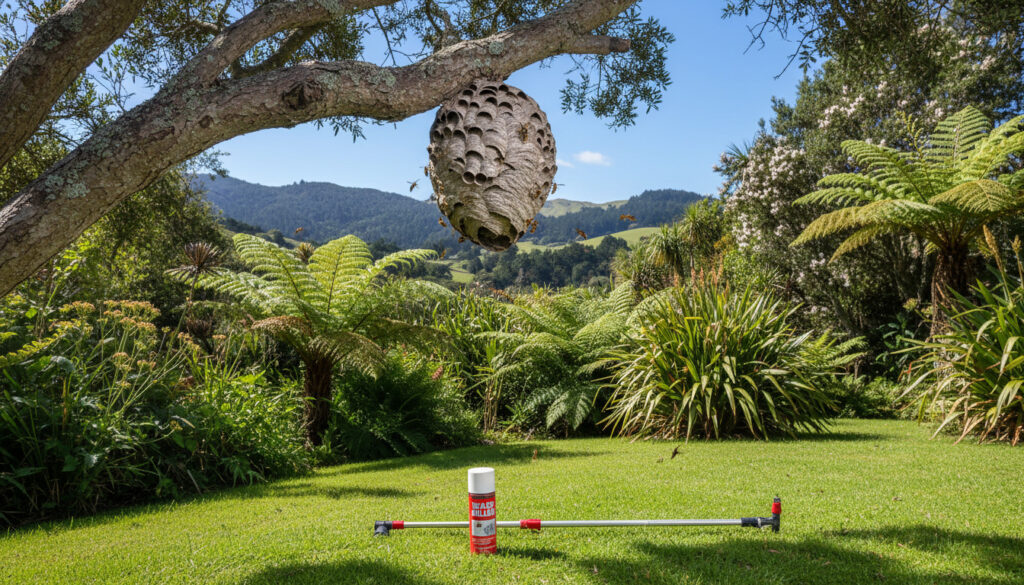
Wasp nests around New Zealand homes pose distinct challenges depending on species and nest location. German paper wasps construct open, umbrella-shaped nests that hang from eaves and shrubs, while German and common wasps often build enclosed colonies in ground cavities or wall voids. Each scenario demands different approaches to ensure safety and effectiveness.
Removing these nests requires precise timing, appropriate protective equipment, and species-specific methods. Early morning or late evening interventions work best when wasps cluster at the nest and show reduced activity. Proper removal not only eliminates immediate sting risks but also prevents the aggressive defensive behavior that these invasive insects display when threatened.
New Zealand homeowners face particular considerations with these non-native species. The choice between DIY treatment and professional intervention depends on nest accessibility, size, and the specific wasp species involved.
How Do I Safely Remove a Wasp Nest in NZ?
| DIY Safe? | Best Time | Common NZ Wasps | Pro Cost |
|---|---|---|---|
| Yes, with precautions | Evening/cool weather | German, Paper | Variable by size/location |
- Paper wasp nests allow for safer DIY removal due to exposed structure
- German and common wasp nests in voids or underground require professional handling
- Early morning and late evening present optimal treatment windows
- Full protective gear including face shields and thick gloves is mandatory
- Insecticidal dusts prove more effective than sprays for enclosed nests
- Soap and water solutions offer chemical-free alternatives for exposed nests
- Winter presents naturally inactive nests requiring no immediate action
| Wasp Type | Nest Location | Risk Level | Method |
|---|---|---|---|
| German Paper Wasp | Eaves, trees, shrubs (exposed) | Moderate | Aerosol spray or soap solution |
| German Wasp | Ground cavities, wall voids (enclosed) | High | Professional dust treatment |
| Common Wasp | Underground, dense vegetation | High | Professional intervention |
| Spring Establishment | Low population | Moderate | Early DIY treatment |
| Summer Expansion | High population | High | Professional assessment |
| Winter Dormancy | Inactive/empty | Low | Physical removal safe |
What are the best DIY methods for wasp nest removal NZ?
For exposed paper wasp nests, direct application of long-range aerosol insecticides provides effective control. Products such as PestXpert Wasp Jet or Kiwicare NO Wasps Nest Killer deliver 1-2 second bursts that reach up to four meters, killing wasps instantly upon contact. Tips on Safe Wasp Nest Removal details these applications.
Alternatively, a solution containing one-quarter to one-half cup of dish soap mixed with one cup of water creates an effective suffocating spray when applied quickly to the entire nest. After treatment, wait 5-10 minutes before knocking down the nest with a long broom or stick from a safe distance, then bag and dispose of it while wearing protective gloves.
Can I use insecticide for wasp nests in NZ?
Approved insecticides remain legal for DIY use on accessible nests. For ground-dwelling or enclosed nests, insecticidal dusts such as Kiwicare NO Wasps Eliminator applied at entry points with 5-6 puffs provide better penetration than liquid sprays. Kiwicare recommends repeat applications if the dust becomes damp or if wasp activity persists.
When Should You Call a Professional for Wasp Nest Removal?
Enclosed nests located underground, within wall voids, or wrapped in protective shrouds require specialized equipment such as Delta dust applicators. DIY attempts on these structures often provoke aggressive swarming behavior and increase sting risks significantly.
Professional pest controllers possess the specialized dusts and equipment necessary for treating large, shrouded, or hard-to-reach nests. Tips on Safe Wasp Nest Removal recommends contacting experts when nests show these characteristics due to heightened aggression and inaccessibility. Combat Pest Control notes that covering ground nests with containers for relocation requires professional expertise.
How much does professional wasp nest removal cost in NZ?
Specific pricing data for New Zealand remains limited in available research. Professionals typically structure fees based on nest size, location accessibility, and required treatment methods. Video documentation suggests costs “can get expensive fast” compared to DIY approaches, though exact figures require direct consultation with local providers.
What Types of Wasps Are Common in New Zealand?
New Zealand hosts several invasive wasp species that establish distinct nest architectures. German paper wasps (Polistes species) construct the characteristic open, umbrella-shaped nests suspended from eaves, branches, and building overhangs. These structures remain relatively accessible for observation and treatment.
German wasps and common wasps present greater challenges through their enclosed nesting habits. These species frequently colonize ground cavities, dense vegetation, and structural voids, wrapping their combs in protective paper envelopes that complicate DIY treatment approaches.
Is it legal to remove wasp nests myself in NZ?
DIY removal remains legal for accessible nests when using approved products. No specific MPI, WorkSafe, or NIWA regulations prohibit homeowner intervention, though general safety precautions apply. How to Get Rid of Paper Wasps NZ suggests verifying any local council restrictions before treatment, as regional bylaws may vary.
Best Time to Remove a Wasp Nest and Prevention Tips
Treat nests during early morning or late evening hours when temperatures drop and wasps cluster at the nest. Late afternoon observation of flight paths helps locate entry points before treatment.
Seasonal timing significantly impacts removal success. Nests become inactive during winter months, eliminating immediate threats without intervention. Spring and summer colonies grow rapidly, making early detection and treatment crucial before populations expand.
How to prevent wasp nests from returning?
Prevention requires sealing entry points around structures, treating newly established nests before they expand, and maintaining ongoing trap placements. How to Get Rid of Paper Wasps NZ recommends mixing one-quarter cup each of apple cider vinegar, sugar, and water with one tablespoon of dish soap in bottle traps placed away from human activity, refreshing every 2-3 days while avoiding honey to prevent attracting bees.
Continue monitoring treated areas for 48-72 hours after removal. Wasps may attempt to rebuild at the same location if pheromone traces remain or if the queen survived initial treatment.
What Is the Step-by-Step Timeline for Wasp Nest Removal?
- Locate the nest: Observe flight paths during late afternoon when wasps return to the colony. Common sites include eaves, trees, shrubs, decks, wall voids, and ground cavities.
- Assess the structure: Determine whether the nest is exposed (paper wasp) or enclosed (German/common wasp) to select appropriate treatment methods.
- Execute removal: Apply treatments during early morning or late evening when wasp activity decreases. For exposed nests, use aerosol sprays or soap solutions. For enclosed nests, apply insecticidal dust at entry points.
- Monitor activity: Watch for returning wasps or reconstruction attempts over the following days. Repeat treatments if necessary until all activity ceases.
- Prevent return: Seal gaps and voids, remove attractants, and maintain traps to deter future colonization.
What Are the Certainties and Risks of DIY Wasp Removal?
| Established Information | Information That Remains Unclear |
|---|---|
| Paper wasp nests with exposed combs permit safe DIY removal using insecticidal sprays or soap solutions | Exact cost structures for professional services across different New Zealand regions |
| Early morning and late evening treatments minimize aggression risks | Specific legal restrictions at individual council levels beyond general approvals |
| Full protective gear including face shields, thick gloves, and tucked clothing prevents stings | Long-term ecological impacts of widespread DIY insecticide use on native species |
| Insecticidal dusts outperform sprays for ground nests and wall voids | Standardized success rates comparing DIY versus professional elimination methods |
Why Are Wasps a Problem in New Zealand?
These invasive species disrupt local ecosystems and pose significant public health concerns through aggressive defensive behaviors. Unlike native pollinators, German and common wasps compete directly with local fauna for food resources while maintaining potent sting capabilities that threaten human safety.
The economic and environmental impacts extend beyond individual property concerns. Wasps consume massive quantities of native invertebrates and honeydew, affecting forest ecosystems and agricultural operations throughout the country. Professional treatment videos demonstrate the specialized equipment required for large colonies.
What Do Experts Say About Wasp Control in NZ?
DIY is risky for these due to aggression and inaccessibility.
— Combat Pest Control
Professional services are recommended for larger, enclosed, or hard-to-reach nests like those of German or common wasps to minimize risks of stings and ensure complete elimination.
— PestXpert
What Should You Do After Removing a Wasp Nest?
Continue monitoring the treated location for several days to ensure complete elimination. Seal any structural gaps that might attract future colonization, and maintain preventive traps throughout active seasons. If stung during the process, scrape the stinger away with a credit card rather than tweezers to avoid additional venom release, then wash the area with soap and water.
Frequently Asked Questions
What should I do if I’ve been stung by wasps?
Scrape the stinger out with a credit card or fingernail, avoiding tweezers that release more venom. Wash with soap and water immediately to remove venom traces and prevent infection.
How to identify a wasp nest in NZ?
Paper wasps build open, umbrella-shaped nests under eaves and branches. German and common wasps build enclosed nests in ground holes or wall cavities with protective paper wrapping.
Can I remove a wasp nest in winter?
Yes, nests are inactive during winter. The colony dies off naturally, leaving empty paper structures that pose no threat and can be physically removed safely.
Is it legal to remove wasp nests myself?
DIY removal is legal for accessible nests using approved products. Check local council bylaws for specific regional restrictions before treatment.
How long does wasp nest removal take?
Exposed paper wasp nests require 5-10 minutes after spraying before physical removal. Enclosed nests may need multiple dust applications over several days for complete elimination.
What attracts wasps to my house?
Food sources, sheltered building cavities, and previous nest sites attract wasps. Seal gaps and remove outdoor food waste to deter them from establishing colonies.
Can I use household cleaners instead of insecticide?
Dish soap mixed with water effectively suffocates exposed paper wasp nests but may not penetrate enclosed German or common wasp colonies requiring dust treatments.
Do wasps return to old nests?
Wasps rarely reuse old nests, but they may rebuild nearby if the site offers good shelter and resources. Remove old nest material to reduce attraction.
More related posts
 Hong Kong vs Man United: Result, Highlights & Where to Watch
 Capital Lodge Motor Inn: Ferry Guide & Wellington Accommodation
 Kings Plant Barn St Lukes: Cafe, Hours & Dog Policy
 When Do Girls Stop Growing? Age, Signs and Full Timeline
 Church of Jesus Christ: Beliefs, Leadership, and Key Facts
 Melatonin NZ Buy Online: Rules, Doses & Where to Get It
 Cheap Caravans for Sale NZ Private Under $10,000 – Best Platforms and Buying Guide