Hastings, New Zealand: Guide to Visiting and Living
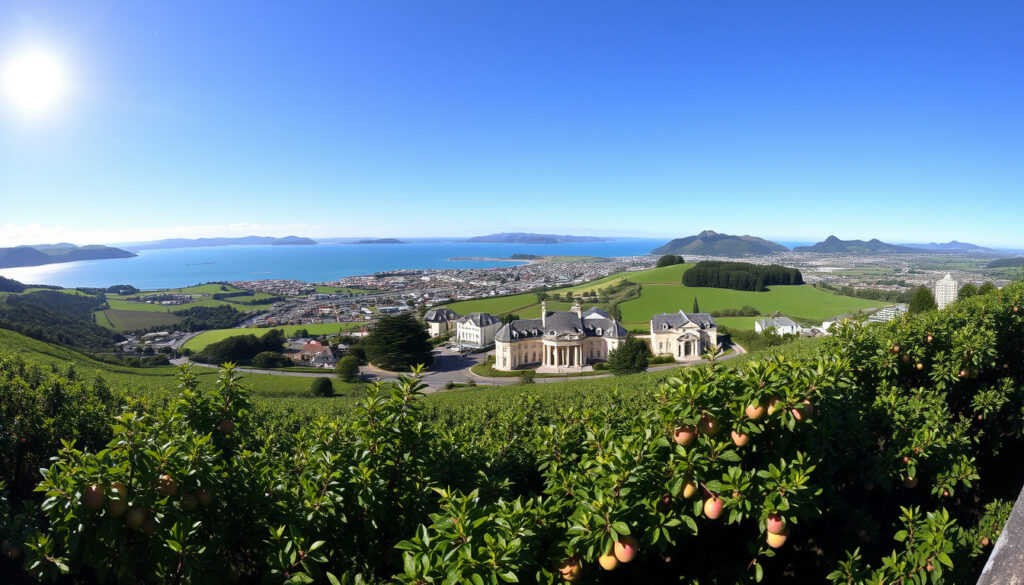
Hastings, not Napier, is the sun-drenched town on New Zealand’s North Island that proudly calls itself the country’s fruit bowl, a hub of orchards, Art Deco streets, and a food scene drawing visitors from across the world. Whether you’re weighing a move or planning a trip, this guide serves up what you actually need to know, from the cost of a 3-bedroom flat to the best time to taste stone fruit straight from the tree.
Location: 12 miles inland from Hawke’s Bay coast, North Island ·
Street Trees: Over 6,000 ·
Known For: Fruit bowl of New Zealand, wine region, Art Deco architecture ·
Distance to Auckland: Approximately 410 km by road
Quick snapshot
- Hastings is 12 miles inland from the Hawke’s Bay coast (100% Pure New Zealand (national tourism board))
- Over 6,000 street trees line the city (100% Pure New Zealand (national tourism board))
- Exact census population figure for Hastings is not specified in official sources reviewed
- Current mayor or council details not included in the research data
- The Hawke’s Bay Farmers’ Market operates every Sunday morning year-round (100% Pure New Zealand (national tourism board))
- Visitor season peaks in summer (December–February) when roadside fruit stalls are abundant
Hastings positions itself as Hawke’s Bay’s affordable, orchard-centered alternative to Napier, with a Mediterranean climate and a growing reputation among food-focused travellers.
| Label | Value |
|---|---|
| Region | Hawke’s Bay |
| Island | North Island |
| Population | One of two major urban areas in Hawke’s Bay |
| Climate | Mediterranean – warm summers, mild winters |
| Main Industries | Horticulture, viticulture, tourism |
| Distance to Auckland | ~410 km by road |
Is Hastings, NZ worth visiting?
Top attractions in Hastings
- Te Mata Peak – offers views over Hastings and the ocean, and on a clear day extends to Mount Ruapehu (Expedia (travel booking platform))
- Cape Kidnappers – home to the world’s largest mainland colony of gannets (Expedia (travel booking platform))
- Ngā Pou o Heretaunga – 18 carved pou located in Clive Square (100% Pure New Zealand (national tourism board))
- Hastings City Art Gallery – free entry (NZ Pocket Guide (travel guide for New Zealand))
- Keirunga Park Railway – rides around NZ$2 per person (NZ Pocket Guide (travel guide for New Zealand))
For a visitor, Hastings delivers the most value in summer when roadside stalls overflow with stone fruit and the farmers’ market is at its peak.
Best time to visit
The prime window is summer (December to February) when roadside stalls overflow with peaches, nectarines, and apricots. The Hawke’s Bay Farmers’ Market runs every Sunday morning year-round, but the summer harvest makes it especially vibrant (100% Pure New Zealand (national tourism board)).
How to get to Hastings
- By air: Fly into Hawke’s Bay Airport (NPE) near Napier – about a 20-minute drive to Hastings
- By road from Auckland: Approximately 410 km, about 4.5 hours driving
- By bus: Several daily services from Auckland and Wellington
Where to stay in Hastings
The city centre has a range of motels and boutique hotels, while nearby Havelock North offers higher-end lodges near the wineries. A 3-bedroom apartment in the city centre averages NZ$1,629 per month, while suburban options run about NZ$1,185 (Wise (financial services platform)).
Hastings delivers a low-cost day out: free gallery admission, $2 train rides, and a farmers’ market that locals rank among New Zealand’s best. The trade-off is that you’ll need a car to reach Te Mata Peak and Cape Kidnappers – both are outside walking distance from the centre.
What this means: For cost-conscious travellers, Hastings stacks up as a cheaper base than Napier with easier access to orchards and vineyards – but the real payoff comes in summer when the fruit bowl is overflowing.
Is Hastings, New Zealand a good place to live?
Cost of living in Hastings
For a solo renter, monthly costs in Hastings run about US$1,441 including rent (CityCost (cost-of-living aggregator)). A family of three faces around US$3,196 including rent. Hastings ranks 22nd out of 31 locations in New Zealand on the LivingCost global index, making it one of the more affordable urban centres in the country (LivingCost.org (cost-of-living database)).
Job opportunities
The regional economy is driven by horticulture, viticulture, and tourism (100% Pure New Zealand (national tourism board)). Seasonal work in orchards and vineyards is plentiful during harvest (November to May). The broader Hawke’s Bay region is the engine room of the regional economy, with Hastings District Council (Hastings District Council (local government authority)) overseeing local services and planning.
Schools and education
Hastings has a mix of state primary and secondary schools, plus private options. The nearest university campuses are in Palmerston North (about 2 hours south) and Hamilton (about 2.5 hours north).
Safety and crime rates
Exact crime statistics are not included in the research data, but Hastings is generally described as a quieter alternative to Napier (Kiwi Press (regional lifestyle blog)).
Climate
Hastings enjoys a Mediterranean climate with warm summers and mild winters – more sun than many parts of New Zealand. The city averages over 2,100 sunshine hours per year.
Lower rent comes with fewer high-paying professional jobs. A family moving to Hastings trades Auckland-level salaries for a lower cost base, but may find the job market limited outside horticulture and tourism.
How far is Hastings from Auckland, New Zealand?
Distance by road
The driving distance is approximately 410 km via State Highway 1 – about 4 hours and 20 minutes in good traffic (100% Pure New Zealand (national tourism board)).
Flight time
Direct flights from Auckland to Hawke’s Bay Airport (NPE) take about 1 hour.
Train options
There is no direct passenger train between Auckland and Hastings. The Northern Explorer runs between Auckland and Wellington, with a bus connection from Palmerston North to Hawke’s Bay.
Bus options
Multiple bus companies operate daily services, with travel time around 7–8 hours depending on stops.
Driving duration
About 4.5 hours of driving time, factoring in a short break. The route passes through the Waikato region and the Taupō volcanic zone – a scenic drive that rivals the destination.
The pattern: For a weekend trip, flying is the practical choice (1 hour vs 4.5 hours driving). For anyone relocating with a car, the drive is straightforward and well-signposted.
What is Hastings, New Zealand known for?
Hastings as the fruit bowl of New Zealand
Hastings is surrounded by orchards and vineyards, with roadside stalls selling fresh produce during summer (100% Pure New Zealand (national tourism board)). The phrase “fruit bowl of New Zealand” is used widely in tourism promotion.
Art Deco architecture
While Napier gets more fame for its Art Deco buildings, Hastings has its own collection of 1930s architecture, including civic buildings and commercial strips. The annual Art Deco Weekend draws visitors to both cities (Expedia (travel booking platform)).
Wine region
The wider Hastings region has more than 30 cellar doors across Hawke’s Bay, with most within Hastings District boundaries (100% Pure New Zealand (national tourism board)). Syrah and Chardonnay are standout varieties.
Hawke’s Bay food and wine
Hastings is marketed as a destination with restaurants, cafes, bars, public artworks, and open spaces in the city centre (100% Pure New Zealand (national tourism board)).
Te Mata Peak and Cape Kidnappers
These two natural landmarks are the most photographed attractions associated with Hastings. Te Mata Peak rises 399 metres above the Heretaunga Plains, while Cape Kidnappers shelters the world’s largest mainland gannet colony (Expedia (travel booking platform)).
The pattern: Hastings earns its fruit-bowl reputation not through hype but through year-round agricultural production, a Mediterranean climate, and a built environment that rewards walking and cycling.
Is there anything to do in Hastings?
Outdoor activities
- Te Mata Peak hike and lookout
- Cape Kidnappers gannet colony viewing
- Cycling on the Hawke’s Bay Trails
Food and wine tours
- Cellar door visits across more than 30 wineries
- Farmers’ market sampling
- Stone fruit picking in summer
Arts and culture
- Hastings City Art Gallery (free entry)
- Ngā Pou o Heretaunga pou carvings in Clive Square
- Annual Art Deco Weekend
Family-friendly activities
- Keirunga Park Railway (NZ$2 rides)
- Splash Planet water park
- Cornwall Park’s playgrounds and gardens
Seasonal events
- Harvest Hawke’s Bay (summer)
- Art Deco Weekend (February)
- Christmas parades and summer markets
The pattern: Hastings keeps visitors busy with free and low-cost options — gallery entry costs nothing, train rides cost pocket change, and the landscape itself offers year-round walking and cycling.
Upsides
- Lower cost of living than Napier or Auckland
- Rich agricultural and wine scene
- Mediterranean climate with high sunshine hours
- Free gallery and cheap family activities
Downsides
- Fewer professional jobs outside horticulture and tourism
- Requires a car to reach major attractions
- Smaller urban centre with fewer nightlife options
- Distance from major cities (410 km to Auckland)
Related reading: Castle Hill New Zealand: LOTR, Walks & Bouldering
Those considering a move or visit can find practical advice in the Hastings travel guide.
Frequently Asked Questions
What is the best time to visit Hastings, New Zealand?
Summer (December to February) offers the best weather, roadside fruit stalls, and a vibrant farmers’ market. Spring and autumn are also pleasant for wine tours and outdoor activities.
How many days do you need to explore Hastings?
Two to three days is enough to cover the main attractions: Te Mata Peak, Cape Kidnappers, wineries, and the city centre. A week allows for day trips to Napier and Havelock North.
Is Hastings safe for tourists?
Yes, Hastings is generally considered a safe destination. It is often described as a quieter alternative to Napier, with typical small-city New Zealand safety levels.
What are the top wineries to visit in Hastings?
The Hastings region has more than 30 cellar doors. Notable wineries include Mission Estate, Church Road, and Te Mata Estate, all within a short drive of the city centre.
Do I need a car to get around Hastings?
A car is recommended, especially for reaching Te Mata Peak, Cape Kidnappers, and outlying wineries. The city centre is walkable, and cycling on the Hawke’s Bay Trails is easy.
What currency is used in Hastings, New Zealand?
New Zealand Dollar (NZD). Credit cards are widely accepted, but some roadside stalls may only take cash.
Are there guided tours available in Hastings?
Yes, wine tours, walking tours, and nature tours are available through local operators. The i-SITE visitor centre can help book tours.
More related posts
 Spanish Classes Online NZ: Compare Costs & Providers
 Cast of Platoon (Film) – Full Actors List and Roles
 Castle Hill New Zealand: LOTR, Walks & Bouldering
 Air NZ Unaccompanied Minor Service: Rules, Fees & Age
 Auckland to Wellington Drive: Time, Route, Stops & Itinerary
 Disquantified.org: What It Is, Founder Shawn Bradley & App
 BNZ Home Loan Rate Cuts: Rates, Predictions & Fixing